How to make your fragrance last all day
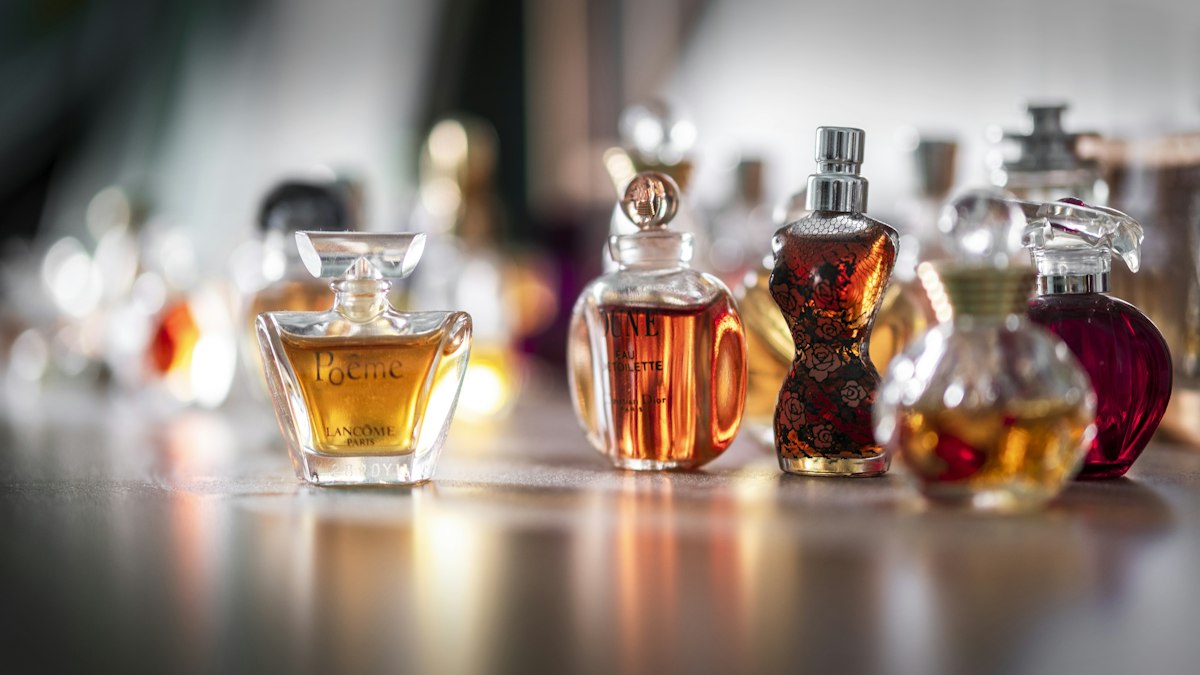
If your fragrance disappears by lunchtime, the problem usually isn't the perfume — it's how and where you're applying it. A few small changes can extend wear time by hours, no overspraying required. Here's what actually works, and what's just myth.
Moisturise first
Fragrance clings to oil. Dry skin lets it evaporate faster, which is why scents fade quickly on some people. Apply an unscented moisturiser to the areas you'll spray, just before applying. Hydrated skin holds fragrance noticeably longer — this is the single biggest, easiest improvement.
Apply to pulse points
Pulse points — inner wrists, neck, behind the ears, inner elbows — are warmer, and warmth helps diffuse and project scent throughout the day. Spraying there rather than just on clothing gives you a slow, steady release.
Don't rub your wrists together after spraying. It feels natural, but the friction and heat crush the delicate top notes and can actually shorten the life of the scent.
Layer where you can
If a fragrance comes in a matching body lotion or shower gel, using them together builds depth and longevity. Even an unscented lotion as a base helps. Layering is how people get a scent to last from morning to evening without reapplying.
Store it properly
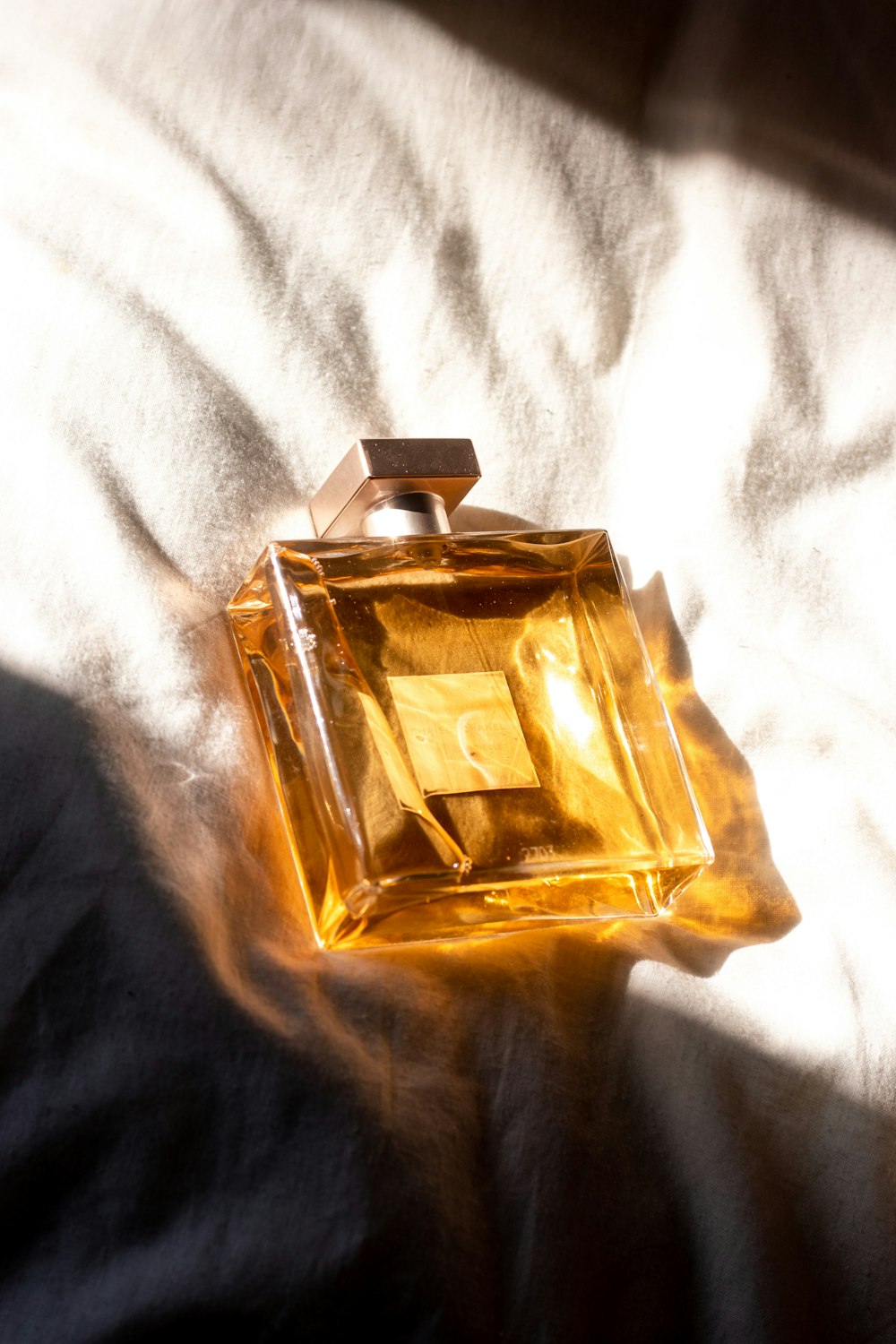
Heat, light, and humidity degrade fragrance over time. The bathroom — where many people keep theirs — is the worst spot. Store bottles in a cool, dark, dry place, ideally in their box. A well-stored fragrance keeps its strength for years; a poorly stored one turns flat and weak.
Choose for longevity at the source
Some fragrances simply last longer because of their concentration and base notes. Eau de parfum outlasts eau de toilette. Scents built on woods, amber, and musk cling far longer than light citrus. If all-day wear matters to you, factor that in before you buy, not after.
Bottom line
Moisturise first, apply to warm pulse points, don't rub, layer when you can, and store bottles away from heat and light. None of this requires spending more — it just makes what you already own work harder and last longer.