How to choose a perfume that actually suits you
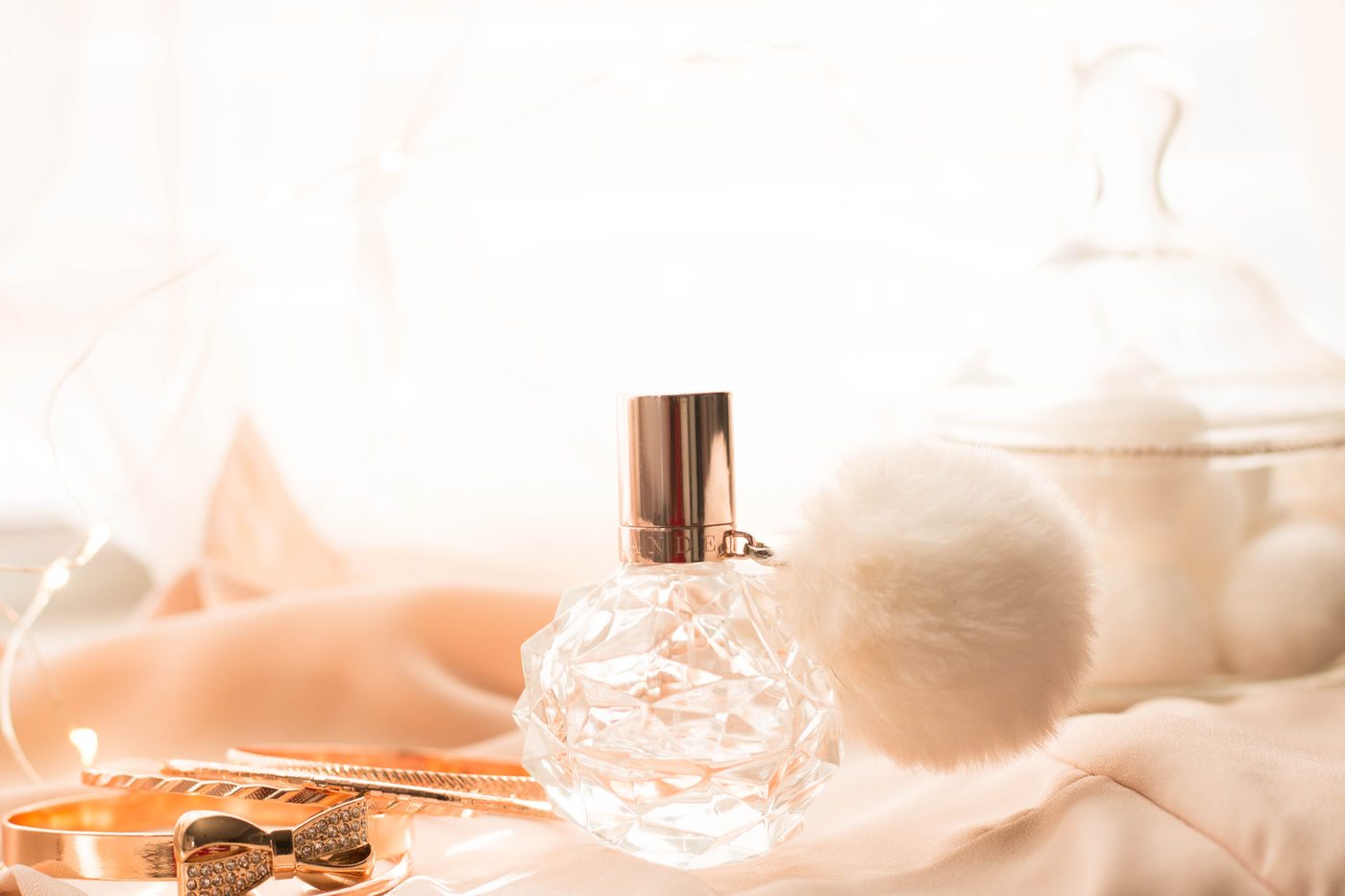
Choosing a perfume is one of those purchases that feels like it should be simple but rarely is. You walk into a store, smell ten things, your nose gives up, and you either buy nothing or buy something you regret. The good news: there's a method to it. Once you understand what actually determines whether a fragrance suits you, the whole process gets far less overwhelming.
Start with your skin, not the bottle
The single most important thing to understand is that fragrance smells different on different people. Your skin's chemistry — its pH, oiliness, and natural scent — changes how a perfume develops. A fragrance that smells incredible on a friend can turn sharp or flat on you. This is why you should never buy a perfume based on how it smells on a paper strip or on someone else.
Always test on your own skin, and give it time. Spray it on your wrist, then walk away and live your life for a few hours. The scent you smell after 30 minutes to an hour — once the initial alcohol burst fades — is the one you'll actually wear.
Never buy a fragrance on the first sniff. The opening notes are the loudest but the shortest-lived. What matters is the heart and base — the scent that emerges after an hour and stays for the rest of the day.
Match the scent to your life, not your fantasy
It's tempting to buy a bold, dramatic fragrance because it smells exciting in the store. But think about where you'll actually wear it. A heavy oriental scent that's gorgeous for evenings can feel overwhelming in an office or on a hot commute. Be honest about your daily routine and pick something that fits it. A versatile, moderate fragrance you reach for every day beats a spectacular one that sits unused.
Consider the season
Heat amplifies fragrance; cold mutes it. Light, fresh, and citrus scents shine in warm weather, while warm, woody, and spicy scents come alive in winter. If you can only afford one fragrance, a moderate fresh or woody scent works year-round. If you're building a small wardrobe, one light and one warm covers most situations.

Understand concentration before you pay
The same fragrance often comes in different concentrations, and the price gap can be large. Eau de toilette is lighter and cheaper; eau de parfum is stronger and longer-lasting. For everyday wear, an eau de toilette is often plenty and saves money. We cover this fully in our guide to eau de parfum vs eau de toilette.
Sample before committing
Full bottles are expensive, and blind-buying is how you end up with a drawer of mistakes. Before buying, get samples — many retailers offer them cheaply, and decant sites sell small amounts of almost anything. Wearing a fragrance for a few full days tells you more than any number of store sniffs.
Don't overthink price
Expensive doesn't mean better-suited to you. Plenty of affordable fragrances smell wonderful and perform well. The goal isn't to buy the priciest bottle — it's to find the one that smells right on your skin and fits your life. We've rounded up some excellent budget options in our guide to affordable perfumes that smell expensive.
Bottom line
Test on your own skin, wait for the dry-down, match the scent to your real routine and climate, and sample before you commit. Do that and you'll skip the expensive mistakes most people make — and end up with a fragrance that actually feels like yours.